Ways to Effectively Prepare for and Act Appropriately at a Bail Hearing
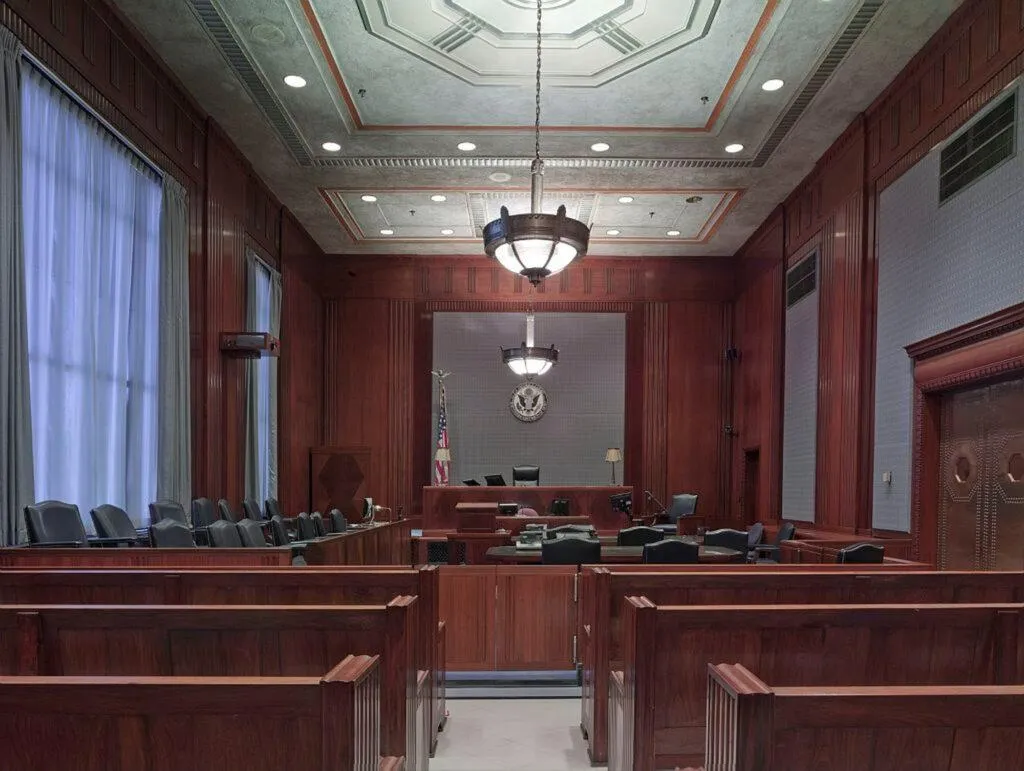
If someone you care about has been arrested, you may hear terms such as bail hearing, bond hearing, or pretrial release hearing.
In North Carolina, release conditions may be set early in the process by an authorized court official, and some cases are later reviewed by a judge.
What matters most is understanding what the court is deciding, what information may be considered, and what happens after release conditions are set.
What Happens at a Bail or Bond Hearing?
The purpose of the hearing is not to decide whether the person is guilty.
The court is deciding what conditions should apply while the criminal case is still pending.
Those conditions may include a bond amount and other rules the person must follow if released.
A bail bondsman does not decide whether someone will be released, the bond amount, or the court-ordered conditions.
If the release order allows a licensed bail bondsman to be used, the bondsman may then be able to help.
What Does the Court Consider?
The decision is based on more than how someone looks or speaks in court.
In North Carolina, the court may consider information such as:
- The nature of the charge
- The person's criminal history
- Previous failures to appear in court
- Family and community ties
- Employment
- Housing
- Financial circumstances
- How long the person has lived in the community
- Other information related to returning to court and safety concerns
Different cases can lead to different release conditions.
That is why one person's bond should not be used to predict what another person will receive.
How Can Someone Prepare?
1. Understand What Will Be Decided
If the person has an attorney, ask what the hearing is expected to address and what information may be useful.
The hearing is generally focused on release before trial and the conditions that may apply, not on deciding the entire criminal case.
2. Give the Attorney Accurate Information
Information about employment, housing, family ties, prior court appearances, and other background may be relevant.
If an attorney asks for documents or details, provide accurate information rather than trying to make the situation appear better than it is.
3. Follow the Attorney's Guidance About Speaking
A person does not need to give a long speech to convince the judge.
If represented by an attorney, follow the attorney's guidance about when to speak and how to respond to questions.
Questions about the criminal charge itself should be discussed with the attorney, not with the bail bondsman.
4. Be Respectful and Follow Court Instructions
If the person appears before a judge, they should listen carefully, remain respectful, and follow the court's instructions.
For someone still in custody, things like clothing, arrival time, and where to stand may be controlled by the detention facility and court staff.
The important thing is to pay attention to what the court orders.
What Should You Find Out After the Hearing?
Once release conditions have been set, make sure you understand what was actually ordered.
Important questions to confirm:
- Was a bond amount set?
- What type of release was ordered?
- Can a licensed bail bondsman be used?
- Are there other conditions the person must follow?
Do not assume that every bond requires a bail bondsman.
If these terms are unfamiliar, our Bail Bond Process Guide explains bonds, costs, collateral, and release in simple terms.
If the arrest happened in Wake County and bond information is still not available, our Wake County Jail & Bail Process Guide explains what to check next.
Domestic Violence Cases Can Be Different
Domestic violence-related arrests can involve additional rules about when release conditions are set and what restrictions may apply.
Do not assume the process will be the same as another arrest.
For information specific to these cases, see our Domestic Violence Bond Hearing Guide.
When Can a Bail Bondsman Help?
A bail bondsman becomes involved only when the release order allows a bail bond to be used.
If that applies, Absolute Bail Bonds can:
- Review the available bond information
- Explain the cost and paperwork
- Explain signing responsibilities
- Prepare and post an eligible bond when the requirements are complete
Absolute Bail Bonds cannot change the bond amount or court-ordered release conditions.
Need Bail Bond Help After the Hearing?
If the arrest happened in Raleigh, visit our Raleigh Bail Bonds page.
For bail bond service elsewhere in Wake County, visit our Wake County Bail Bonds page.
You can also call Absolute Bail Bonds at (919) 510-0920.
This article provides general bail bond information and is not legal advice. Release conditions are determined by the appropriate judicial official. For legal advice about the criminal charge, bond modification, court strategy, or release conditions, speak with a licensed North Carolina attorney.